

How Do Local Animals Damage Roofs?
Many residents in Plattsburghh, NY encounter roof issues caused by animal activity, especially during the changing seasons. Common wildlife such as squirrels, raccoons, and birds, along with neighborhood cats and occasionally bats, interact with roofs in ways that can gradually weaken structural integrity. Signs may be subtle at first, but over time, these encounters can lead to repair needs or, in some cases, costly remediation.
Animals impact roofs by:
- Chewing or scratching roofing materials, especially around edges or entry points.
- Nesting under shingles, eaves, or inside attic vents.
- Displacing insulation or creating pathways for moisture.
- Leaving waste that corrodes materials or clogs gutters.
These factors are particularly relevant in neighborhoods with mature trees, but even homes further from wooded lots should remain alert. Shingles, soffits, and roof vents are frequent targets due to their accessibility and vulnerability.
Which Animals Cause the Most Roof Problems Here?
Squirrels, raccoons, birds, and bats are the primary concerns for local household roofs. Each animal creates unique challenges, depending on their size and habits.
- Squirrels are agile and motivated by nesting instincts, particularly from late winter into spring. They often gnaw on wood and soft metal to access attics, leaving behind noticeable holes or weakened areas.
- Raccoons are strong and can tear through shingles or even pry up flashing to gain access to attic spaces, often seeking warmth in colder months. Entry points are typically larger and more destructive than those left by other animals.
- Birds, especially starlings and pigeons, nest in roof vents, gutters, and sometimes directly below loose tiles. Their presence can cause blockages or moisture buildup.
- Bats look for small openings in soffits or fascia boards, squeezing into tight crevices. Their droppings accumulate quickly and can accelerate wood decay.
Local pet cats may also climb onto roofs, but they rarely cause structural harm beyond occasional scratched shingles or blocked downspouts, unless chasing wildlife and worsening the disturbance.
How Can Animal Activity Be Detected Early?
Early signs of animal-related roof damage in the community often go unnoticed until secondary problems appear indoors. Residents should routinely check for:
- Scratching or thumping noises from above ceilings, especially during dawn or dusk.
- Debris or nesting material appearing in gutters, at the base of downspouts, or near roofline intersections.
- Damaged, displaced, or chewed roofing materials visible from the ground (binoculars can help).
- Droppings or foul odors around attic hatches, roofline vents, or chimney openings.
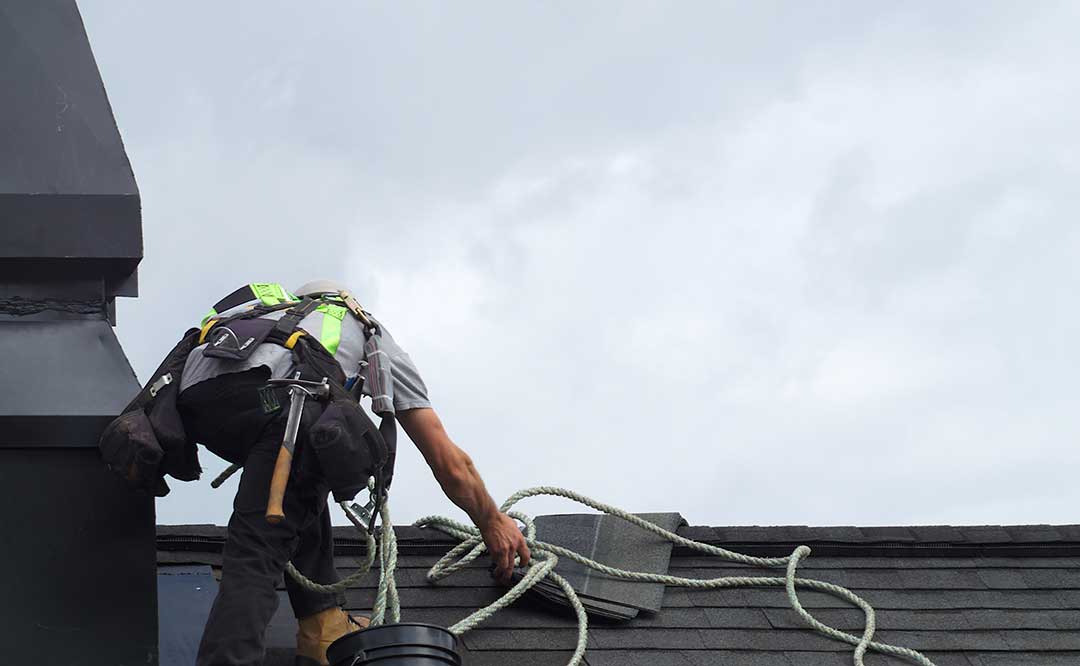
For homes in tree-heavy neighborhoods or near lakes and parks, extra vigilance during the spring and fall migration periods can be beneficial, as animal activity tends to peak.
What Seasonal Factors Affect Animal Encounters?
Long winters and shifting weather patterns in the area influence both the likelihood and timing of animal activity. Colder months drive raccoons and squirrels to seek warmth inside attics, while late spring and early summer see increased nesting behaviors, especially after storms loosen roofing materials.
Consistent snow coverage can also obscure visible roof damage from ground level, delaying detection. After heavy snows or ice, it’s common for animals to exploit warped or weakened spots in roofing systems.
Residents maintaining bird feeders or outdoor pet food may inadvertently attract additional wildlife to their properties, increasing the chances of roof visits.
Is There Damage Unique to Local Housing Styles?
Homes with multiple rooflines, older attic ventilation designs, or wood trim are especially at risk. Decorative soffits and attic vents in some historic or mid-century homes offer easier access points. Additionally, high wind events, which are not uncommon in the region, can slightly lift shingles or flashing, inadvertently opening new routes for curious or desperate wildlife.
Flat or low-pitch roofs can accumulate standing water, making them attractive to birds and leading to increased nesting or droppings that damage roofing membranes.
What Misconceptions Do Residents Often Have?
Residents may assume animal damage will always be dramatic or loud, but many forms of harm are subtle. Squirrels, for example, can widen tiny cracks over weeks without causing obvious disruption indoors until water leaks develop. Another misconception is that animals only target poorly maintained roofs; in truth, even well-installed roofs can experience animal interference after a single bad storm or harsh freeze.
Occasionally, people believe that animal repellents or noises are enough to prevent problems. While these may deter some pests temporarily, persistent wildlife is often emboldened by regular food sources or easy access.
What Should Residents Do if Animal Damage is Suspected?
If unexplained noises, visible holes, or sudden indoor leaks point to animal activity, avoid directly confronting larger wildlife in attics or attempting to seal entry points while animals are trapped inside. Exclusion without eviction can worsen damage as animals attempt escape.
Short of hazardous situations, inspecting for loose shingles, blocked vents, or chewed areas can help guide decisions. If possible, document damage with photos for reference during repairs or, if needed, when checking with local code enforcement or relevant municipal departments.
