
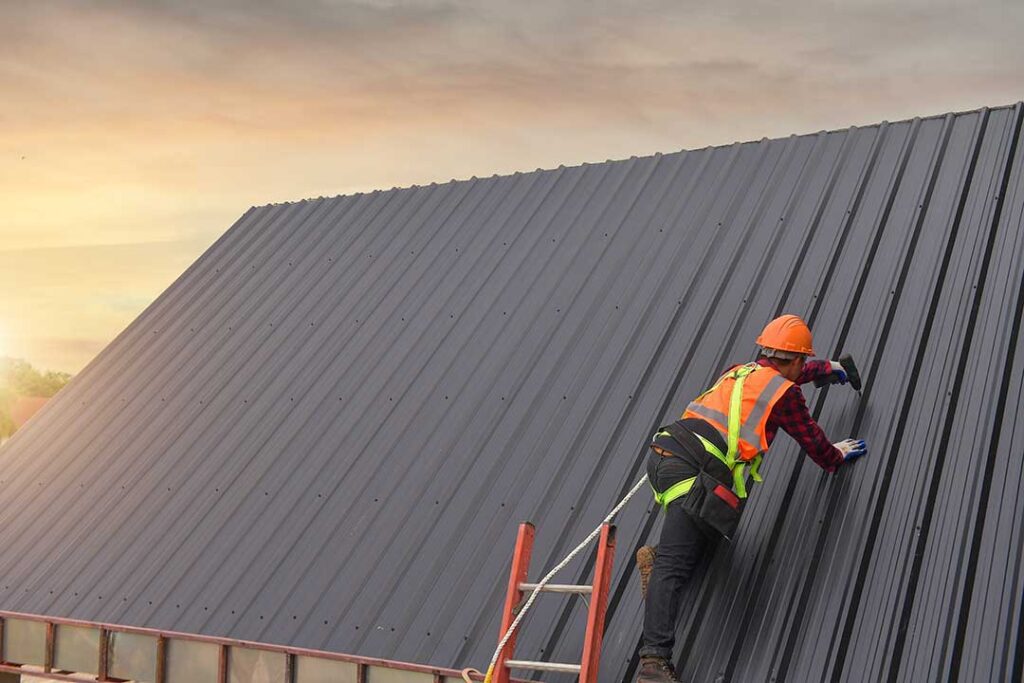
A roof in Plattsburghh, NY faces a demanding cycle of snow, ice, wind, rain, freeze-thaw conditions, and summer humidity. Seasonal maintenance helps identify small problems before they become leaks, insulation damage, attic moisture, or expensive structural repairs.
A useful roof-care routine does not require climbing onto the roof every few months. Many checks can be completed from the ground, inside the attic, or around the roof edges. Roof surfaces should only be accessed when conditions are dry, stable, and safe.
What should be checked in early spring?
Early spring is the time to look for damage caused by winter weather. Snow weight, ice buildup, strong winds, and repeated freezing and thawing can affect shingles, flashing, gutters, and roof drainage.
From the ground, look for:
- Missing, cracked, curled, or visibly lifted shingles
- Dark patches that may indicate exposed underlayment or water absorption
- Sagging sections along the roofline
- Damaged metal flashing around chimneys, vents, skylights, and roof-wall intersections
- Gutters that are pulling away from the fascia
- Downspouts displaced by ice or snow
- Granules collecting beneath downspouts or in driveway areas
Inside the building, inspect ceilings and upper walls for new stains, peeling paint, bubbling drywall, or musty odors. A leak may not appear directly below the damaged roof area because water can travel along rafters, insulation, and framing.
Spring is also a good time to inspect the attic. Look for damp insulation, darkened wood, mold-like spotting, rust around nails, and daylight entering through places that should be sealed. A small amount of frost residue or moisture can indicate inadequate ventilation or air leakage from the living space.
How can gutters and drainage be prepared for spring rain?
Gutters and downspouts should direct water away from the roof, siding, foundation, and walkways. A blocked or sagging drainage system can allow water to back up beneath shingles or overflow near the foundation.
Remove leaves, twigs, roof granules, and compacted debris from accessible gutters. Check that:
- Gutters slope gently toward their outlets
- Seams are not separating
- Fasteners remain secure
- Downspouts are connected at every joint
- Discharge points move water away from the foundation
- Extensions have not been crushed or shifted by snow
Do not rely only on gutter cleaning. During the next substantial rain, observe whether water flows freely and whether overflow occurs at corners or low spots. Water spilling over the front edge of a gutter often points to a clog, poor slope, or undersized drainage section.
What should be inspected before summer heat and storms?
Summer maintenance focuses on ventilation, wind resistance, and storm-related damage. Warm weather can expose loose flashing, deteriorated sealants, and shingles that lifted during winter but did not immediately leak.
Check roof penetrations carefully. Plumbing vents, exhaust fans, chimneys, skylights, and satellite or antenna mounts create openings where water can enter if flashing has failed. Sealant alone is not a permanent substitute for properly installed flashing, and adding layers of caulk can sometimes hide rather than solve a problem.
Tree limbs should remain clear of the roof. Branches that rub against shingles can remove protective granules, while overhanging limbs can drop debris and hold moisture against the roof surface. Trees should not be cut or climbed near overhead utility lines without appropriate safety precautions.
After a severe windstorm, inspect the property from the ground. Look for loose shingles in the yard, exposed underlayment, bent flashing, damaged vents, and debris lodged on the roof. Avoid walking on wet shingles or attempting repairs during wind, rain, or lightning.
Why does attic ventilation matter during hot weather?
A roof system needs controlled airflow to manage heat and moisture. Intake openings near the lower roof edge and exhaust openings near the upper roof area work together when they are properly designed and unobstructed.
Poor ventilation can contribute to:
- Excessive attic heat
- Premature shingle aging
- Condensation on roof framing
- Damp insulation
- Mold or wood deterioration
- Higher cooling demand during warm weather

Ventilation should not be confused with simply adding more exhaust vents. If intake airflow is blocked by insulation or poorly arranged, additional exhaust openings may not correct the underlying problem. Bathroom and kitchen exhaust fans should discharge outdoors through properly sealed ducts rather than into the attic.
What should be done before the first snow?
Autumn preparation is especially important in a cold northern climate. Complete exterior checks before snow and ice make roof areas inaccessible.
Clear leaves and organic debris from gutters and roof valleys where they can retain moisture. Inspect flashing, roof edges, and penetrations for gaps or movement. Confirm that downspouts are securely attached and that water will not discharge onto steps, walkways, or areas where it could freeze into a hazard.
Inside the attic, check for air leaks around light fixtures, plumbing penetrations, ductwork, and attic access panels. Warm indoor air entering a cold attic can carry moisture that later condenses on roof sheathing or contributes to ice formation at the eaves.
Snow guards, heat cables, and similar equipment should not be installed casually or used to compensate for poor insulation and ventilation. Any device attached to a roof can create penetration points or alter how snow and ice release from the surface.
How should homeowners think about ice dams?
Ice dams form when snow on a warmer section of the roof melts and then refreezes near colder eaves. The resulting ice can block drainage and allow water to move beneath shingles.
The most reliable prevention usually involves controlling attic heat loss, maintaining adequate insulation, sealing air leaks, and providing balanced ventilation. Removing snow from the roof may reduce immediate loading, but improper use of roof rakes, ladders, salt, or sharp tools can damage shingles and create personal safety risks.
Do not chip away at an ice dam with an axe or similar tool. Chemical deicers can corrode metal components, damage vegetation, and create uneven melting. If ice is causing active interior leakage or appears to be placing unusual weight on the roof, the situation may require qualified assistance because winter roof work is hazardous.
Which roof problems should not wait for routine maintenance?
Some conditions deserve prompt attention rather than a seasonal inspection:
- Active dripping or spreading ceiling stains
- A visibly sagging roof deck or ceiling
- Large areas of missing shingles
- Exposed underlayment or roof decking
- Damaged flashing around a chimney or roof opening
- A gutter or roof edge pulling away from the building
- Electrical equipment or wiring exposed to water
- Heavy snow accumulation combined with unusual structural movement
Until the source is addressed, place containers beneath interior drips and move furniture or stored belongings away from affected areas. Avoid entering an attic if the ceiling below is bulging, if water is near electrical components, or if structural damage is suspected.
How often should a roof be inspected?
A practical schedule is to perform a basic visual review in spring and autumn, with additional checks after major windstorms, heavy snow, or prolonged ice buildup. Older roofs, roofs beneath mature trees, and roofs with complicated designs may need closer observation.
Keep simple records of inspection dates, visible changes, gutter cleaning, leaks, and repairs. Photographs taken from the same ground-level locations can make it easier to recognize gradual shingle wear, gutter movement, or roofline sagging.
Regular maintenance cannot prevent every storm-related problem, but it can make developing defects easier to detect while they are still limited to one area.
