
Can Hail Really Damage Roofs in Plattsburghh, NY?
Yes, hailstorms can cause significant roof damage in Plattsburghh, NY, especially during late spring and summer when sudden weather shifts are common. Hail damage is not always obvious from the ground, yet it may lead to leaks, mold growth, or reduced roof lifespan if overlooked. Homes throughout the city—especially those with older or asphalt-shingle roofs—are most at risk.
What Does Hail Damage Look Like on Different Roof Types?
Hail damage varies depending on your roofing material. Here’s what area residents often see:
- Asphalt Shingles: Look for circular dents, dark spots where granules are missing, or areas that appear shiny in direct sunlight. Granule loss may expose the black underlayment.
- Metal Roofs: Dents or dings, often in clusters, sometimes accompanied by chipped paint or minor scratches.
- Slate or Tile: Chips or cracks along the edges or corners, sometimes hidden by overlapping tiles.
- Wood Shakes: Splintering, small holes, or sharp cracks, especially on older or weathered shakes.
Spotting these signs early is key to preventing water intrusion and future repairs.
Which Areas of the Roof Are Most Vulnerable?
Hail rarely impacts a roof evenly. Vulnerable zones and overlooked details include:
- Roof slopes facing prevailing winds (usually west or northwest).
- Ridges, valleys, and roof edges.
- Gutters, vents, skylights, and flashing—these may show dents or cracks before shingles do.
- Aging or previously repaired areas, more prone to breakage.
Check for related clues: look at metal mailbox tops, cars, or patio furniture for hail marks, as these indicate possible roof damage, too.
How Soon Should Damage Be Checked After a Storm?
It’s best to check your roof as soon as it’s safe—ideally within a day or two following a hailstorm. Delaying inspection can make it harder to spot fresh damage, especially if further rain moves granules or causes new water leaks. If you notice leaks shortly after a storm, it’s a strong sign that hail compromised your roofing surface.
What Are Common Misconceptions About Hail Damage?
There are a few frequent misunderstandings in the community:
- Only large hail causes real harm: Even small hail can dislodge protective granules or create unseen cracks over time, especially on aging roofs.
- If you can’t see leaks, there’s no problem: Water infiltration may take months to appear; hidden damage often worsens before signs show indoors.
- Dented gutters don’t matter: Dented or bent roof accessories can indicate stronger impacts on the main roof surface nearby.
Don’t assume your roof escaped unscathed just because damage isn’t immediately visible from the ground.
How Can Homeowners Safely Identify Hail Damage?
Direct roof inspection can be risky, especially on pitched roofs or when surfaces remain wet and slippery. If you feel comfortable checking, follow these steps:
- Walk around your home and check from the ground using binoculars.
- Examine shingles for random pattern dark spots, bruises, or shingle edges lifting.
- Check gutters, downspouts, siding, and roof attachments for recent dents or impact marks.
- Look in attics for new damp spots, drips, or daylight peeking through.
- Collect photos of any suspected issues for your records.
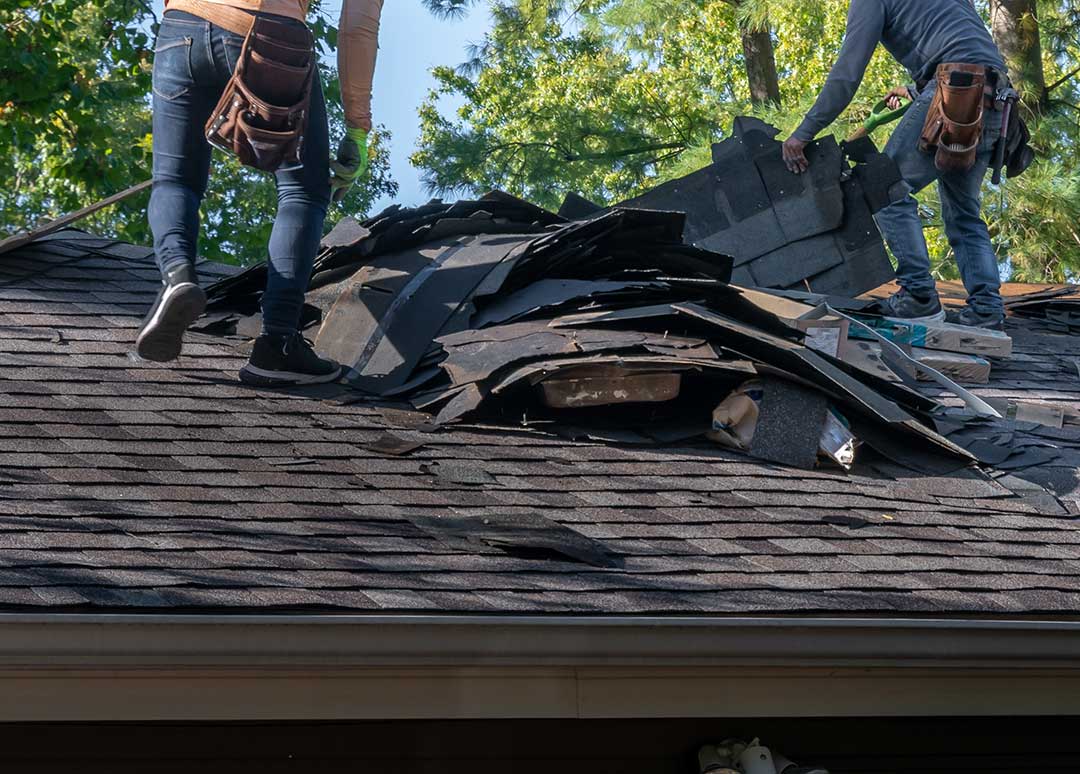
If your home has more than one story, a steep roof, or unusual materials, consider visual checks from the ground first to determine if a closer look is needed.
What Should Be Done If Hail Damage is Suspected?
If there’s reasonable evidence of recent hail impact:
- Document findings with date-stamped photos.
- Monitor for new leaks or water stains indoors, especially after subsequent rain.
- Temporary tarps or buckets may be used to control indoor leaks until repairs can be arranged, if water penetration is observed.
If you discover severe structural issues (such as sagging or large holes), avoid climbing on the roof yourself—heavy or unsafe damage may require extra care.
Are Plattsburghh Regulations or Weather Patterns Relevant to Roof Damage?
Local weather in Plattsburghh often features fast-changing storms with hail bursts, particularly in late spring and early summer. Homes here are subject to periodic insurance assessments and, in some cases, may fall under city or homeowners’ association guidelines regarding roof repairs or material requirements. Always check with your insurer before making significant fixes to ensure you meet local claim conditions.
Occasionally, severe hail events are followed by area-wide guidance from municipal authorities on debris removal or safe practices, but day-to-day roof inspections remain the homeowner’s responsibility.
What Mistakes Do Residents Often Make After a Hailstorm?
- Delaying a visual check, believing damage will be obvious or cause immediate leaks.
- Ignoring outbuildings and detached garages, which may also sustain roof harm.
- Overlooking damage to attic vents, skylights, and flashing—areas that can be early sources of water intrusion.
Being proactive with basic inspection and documentation can help area households minimize long-term roof issues after significant storms.
