
What Should You Do Right Away If You Spot a Leak?
If you notice water dripping from your ceiling or find a damp spot on your wall, it’s best to respond quickly. In Plattsburghh, NY, roof leaks can worsen rapidly due to weather changes, so acting fast can help minimize interior damage.
Start by containing the water. Place buckets, towels, or large bowls under the drip to protect floors and belongings. If water is pooling above your ceiling, carefully poke a small hole to let water drain into a container—this can prevent ceiling sagging or collapse. Move valuables out of the way and take note of any visible staining or bubbling, as these are clues to the leak’s location and severity.
How Can You Find Where the Leak Starts?
Leaks can be tricky—they often travel far from their original entry point before showing up inside your home. In homes throughout the city, attics are common in both older and newer buildings, making them the best place to start your search.
Check your attic for:
- Wet insulation or wood
- Water stains on rafters or decking
- Dripping during or shortly after rain
Use a flashlight and be cautious on wet or unstable surfaces. If the attic is unfinished, walk only on joists to avoid falling through the ceiling. Sometimes, sunlight peeking through can signal gaps or holes. If you don’t have attic access, look for water trails or stains on upper floors and walls that may indicate where water enters from above.
What Causes Most Roof Leaks Locally?
In Plattsburghh, leaks often result from a mix of climate and housing factors:
- Ice dams forming at roof edges during freeze/thaw cycles in late winter and early spring
- Broken or missing shingles after strong winds, which are frequent in transitional seasons
- Clogged, damaged, or misaligned gutters causing water to back up under shingles
- Aging flashings around chimneys, vents, and skylights—especially on roofs over 15 years old
Understanding these contributing factors helps residents recognize why leaks might appear suddenly after a storm or in the early spring melt.
Are There Immediate Repairs You Can Do Yourself?
For small, accessible leaks, temporary steps can help reduce further damage until lasting repairs are made:
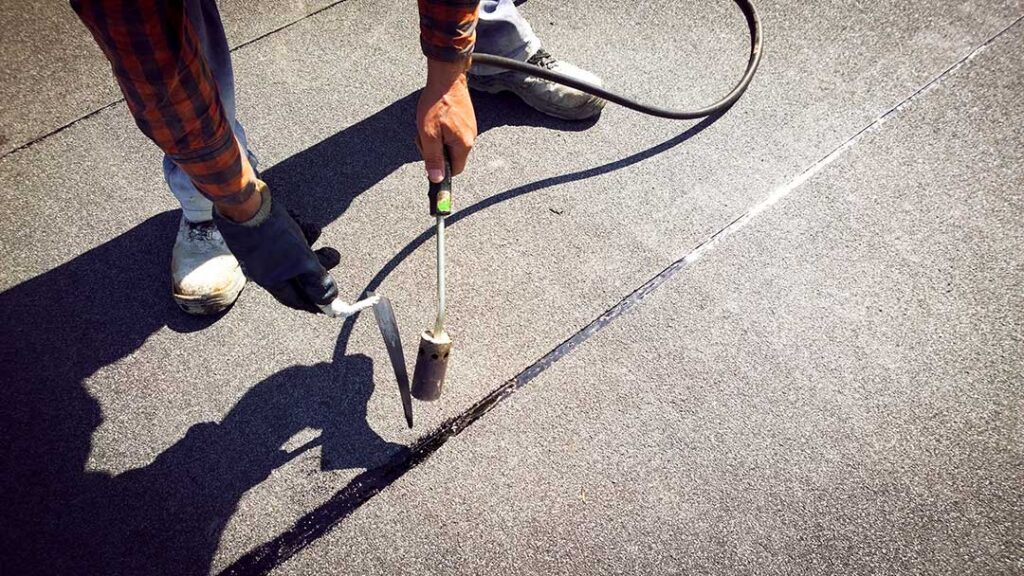
- Apply roofing tape or waterproof patching material directly to small attic leaks during dry weather
- Place a tarp over damaged sections of roof if safe to access (only if conditions allow—avoid climbing on wet, icy, or steep roofs)
- Unclog gutters and downspouts to help water drain away from the home
Never attempt major repairs in unsafe conditions such as high winds, active storms, extreme cold, or on icy roof surfaces. Slippery conditions are common in this region and make falls far more likely.
What If the Leak Leads to Mold or Major Water Damage?
Persistent leaks can quickly lead to mold growth, especially if insulation or drywall stays damp. If you notice musty odors, discolored patches, or visible mold, it’s important to dry the area thoroughly. Remove wet materials if possible and increase ventilation with fans or dehumidifiers. In cases where mold appears widespread or water saturates structural materials, householders should consult local health guidance or municipal health authorities.
State law and local regulations may require removal or remediation by trained personnel if mold growth is significant or poses health risks.
Should You Check Your Roof From the Outside?
Inspecting the roof from the ground can help identify obvious problems:
- Look for shingles that are curled, missing, or broken
- Check if gutters are overflowing or pulling away from the house
- Watch for debris buildup along eaves and downspouts
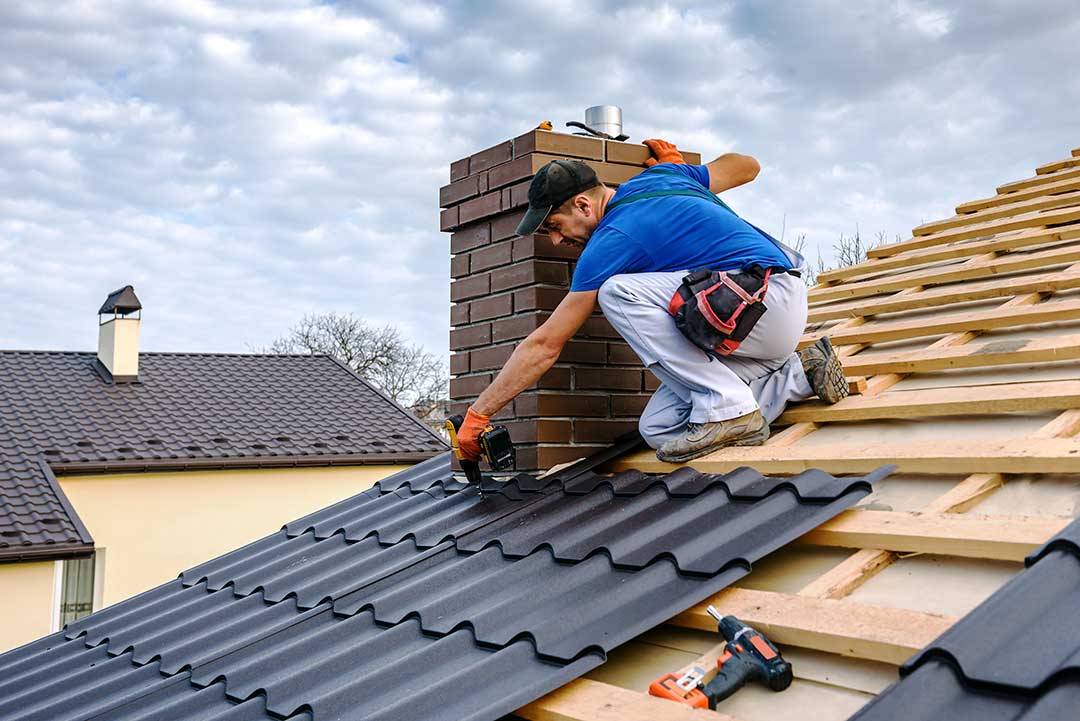
Use binoculars for a closer look; this is safer than climbing up, especially when conditions are slippery or icy. Only inspect the roof surface directly if it can be done safely and avoiding damage to shingles, which can be more fragile during cold weather.
What Common Mistakes Should Be Avoided?
Some approaches, while well-intentioned, can lead to bigger problems:
- Delaying action—small drips often signal bigger issues that worsen with time
- Using excessive caulk or sealant instead of addressing the underlying cause
- Ignoring seasonal maintenance of gutters, which is vital in the community due to spring snow melt and fall leaf buildup
Misidentifying plumbing leaks as roof leaks is also common; always check for bathroom or attic pipes above a wet area.
Is Insurance Usually Involved With Roof Leaks?
Homeowners insurance may cover interior water damage from sudden, storm-caused leaks, but usually doesn’t pay for repairs to the roof itself unless damage was accidental and not due to general wear. Photograph the leak and resulting damage for documentation. Make temporary repairs to limit further damage, as delayed response can affect claims.
Residents should review individual policies or consult official insurance resources for the most accurate guidance specific to household needs.
How Can Leaks Be Prevented in the Future?
Routine upkeep is the best defense against leaks. Area households should:
- Clear gutters and downspouts at least twice per year, especially after the fall
- Trim back tree limbs to prevent debris buildup and shingle damage
- Check attic insulation and ventilation, since excess moisture and ice dams are more likely in poorly ventilated spaces
- Schedule periodic self-inspections, especially after storms or heavy winds
Early action makes leaks less likely to reappear and helps preserve the structural health of homes in Plattsburghh.
