
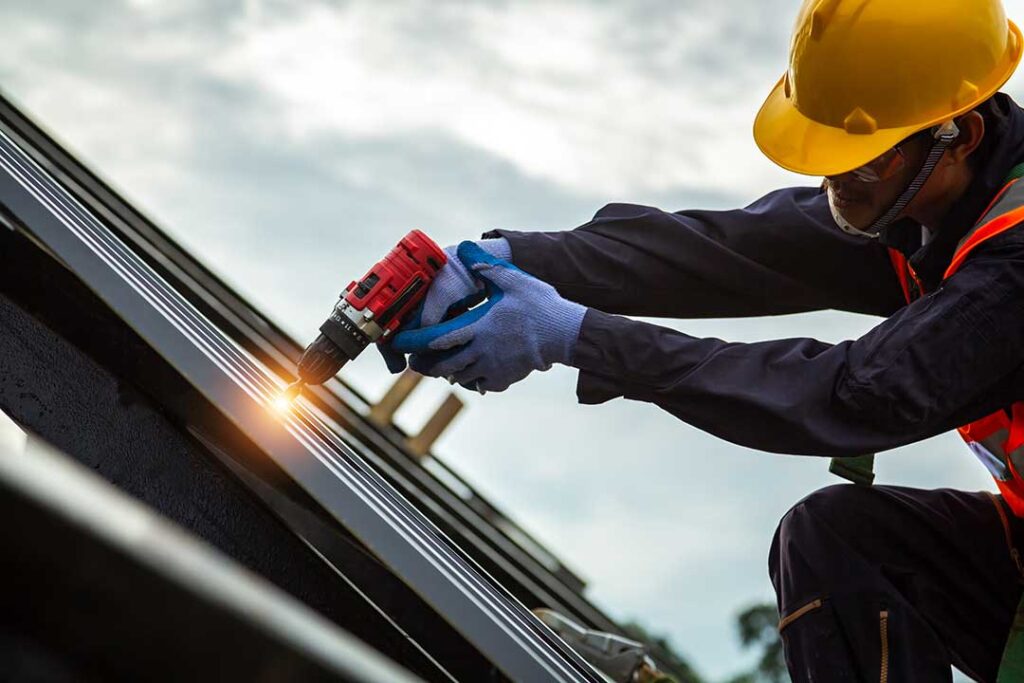
How Does Fall Impact Roofs in Plattsburghh, NY?
Roof maintenance needs shift when fall arrives in Plattsburghh, NY due to falling temperatures, rain, and an abundance of leaves. The combination of wet, freezing, and windy weather common during autumn can worsen small roof weaknesses and sometimes make problems harder to spot until winter sets in. Area residents with homes near mature trees should be especially watchful for debris and moisture accumulation, which can accelerate wear on shingles, gutters, and flashing.
What Should Homeowners Check On Their Roof Each Fall?
A clear, methodical walk-around inspection is key before winter arrives. Focus on:
- Shingle Surfaces: Watch for curling, cracking, or missing shingles.
- Flashing: Inspect metal seams around chimneys, vents, and skylights for gaps or rust.
- Valleys and Edges: Check where roof planes meet or end, as leaves and water gather here.
- Chimneys and Vents: Look for cracks, loose masonry, or deteriorating seals.
- Moss or Algae: Note green patches, which often hold moisture and cause shingle damage.
This kind of visual inspection is generally safe from ground level or with binoculars. Climbing on steep or wet roofs can be hazardous, particularly in fall when surfaces are slick with rain or frost. For safety, limit direct roof access to situations where you are confident in your footing and conditions.
How Can Leaf and Debris Build-Up Affect a Roof?
Leaves and twigs tend to collect in gutters, valleys, and low slopes, particularly if large trees surround your home. If left unchecked, this organic matter traps moisture against shingles and wood, leading to premature decay, ice damning, and even interior leaks when melting snow has nowhere to drain. In communities like Plattsburghh, where autumn leaf fall can be heavy, clearing gutters and valleys should be a routine priority.
A simple leaf blower or a handheld scoop can quickly remove most material from the roof’s surface. Gutter cleaning—by hand, with a scoop, or using extension tools—prevents blockages, but should only be attempted if ladders can be used safely on level ground.
What Roof Issues Should Be Fixed Before Snow?
Fall is the best time to repair any small roof weaknesses discovered during inspection. Shingles that are cracked or missing, loose flashing, or deteriorated sealant will only worsen under the stress of snow accumulation and icing. Even minor gaps can let melting snow seep under roofing, causing leaks and costly water damage inside.
Addressing caulk failures, lifting shingles, or minor gutter issues in fall helps local residents avoid mid-winter emergencies when repairs are harder to perform and may be more expensive.
Do Gutters Really Need Cleaning Every Fall?
Yes—unclogged gutters are crucial in the Plattsburghh climate. Gutters full of leaves and twigs cause water to back up under your roof edge. In late fall and winter, this trapped water can freeze, lifting shingles and increasing the chance of ice dams. These blockages force melted snow to migrate under roofing and into walls.
Residents are often surprised by how quickly gutters fill, especially after windy storms or a heavy leaf drop. Cleaning them reduces risk and can be paired with a final roof inspection before the first snow arrives.
Are Moss and Algae a Problem in Fall?
Damp, shaded roof areas can foster moss and algae growth even as temperatures drop. Moss tends to hold moisture against shingles, encouraging rot or granule loss. Algae, while typically less damaging, can leave dark streaks along roof slopes.
In the fall, brush away loose moss gently and consider installing zinc or copper strips to discourage regrowth. Avoid using harsh chemical cleaners, which can harm nearby plants and runoff areas. Keeping roof surfaces free of debris improves drying after rain and limits moss outbreaks.
What Are Common Fall Roof Maintenance Mistakes?
Several habits or oversights commonly lead to bigger problems:
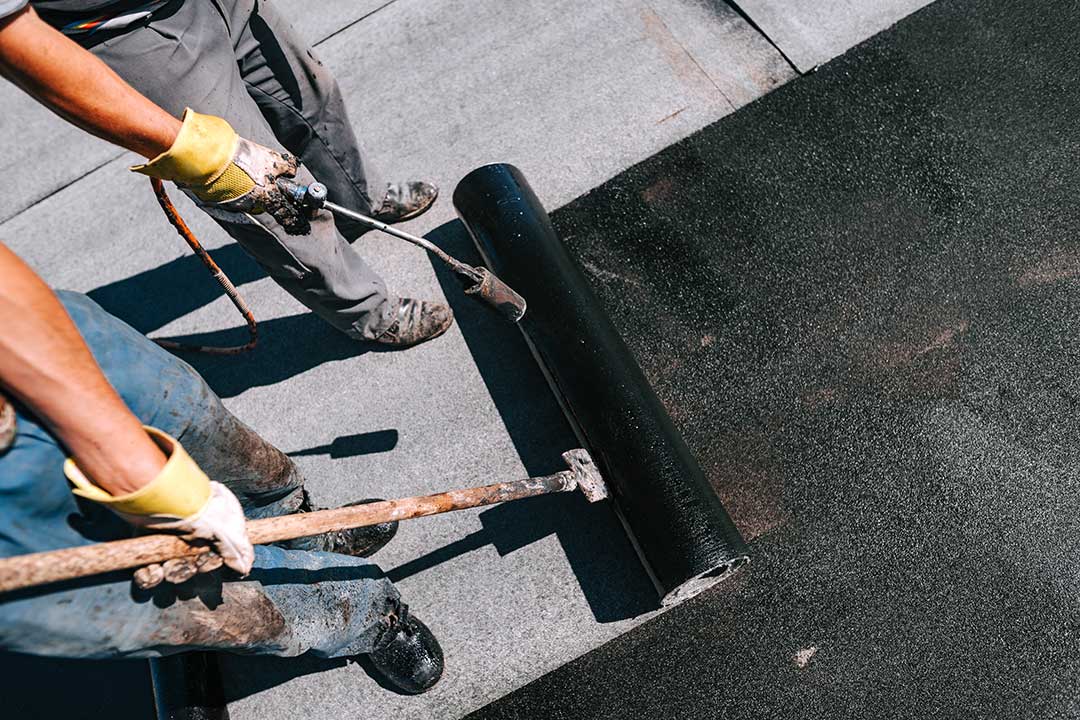
- Delaying gutter cleaning until after the first freeze, making clogs harder to clear.
- Walking on frosty or steep shingles, which increases the risk of falls.
- Ignoring small shingle issues, which can worsen quickly with snow and ice.
- Using a power washer on delicate shingles, which can remove granules and shorten roof life.
Area households should approach fall maintenance methodically and prioritize safety above all.
How Does Local Weather Affect Roof Care Timing?
Typical fall conditions in Plattsburghh — such as freezing rain, frost, wet leaves, and early snow — mean timing matters. Late September through early November is usually the safest and most effective window for roof and gutter cleaning, as well as for repairs. Waiting too long can mean working in slick, icy conditions or having problems hidden by snow.
After major wind or rain events in fall, it’s wise to quickly check for fresh debris, loose shingles, or signs of blocked drainage from the ground.
When Is Professional Help Necessary?
While most fall roof care tasks, like light debris removal and simple visual checks, are well within reach for local homeowners, certain issues do call for outside expertise:
- Persistent leaks or wet ceiling spots indoors.
- Widespread shingle or flashing damage.
- High or inaccessible roofs requiring harnesses or safety equipment.
In these cases, addressing repair needs before winter ensures that snow and ice do not turn manageable repairs into emergency situations.
