
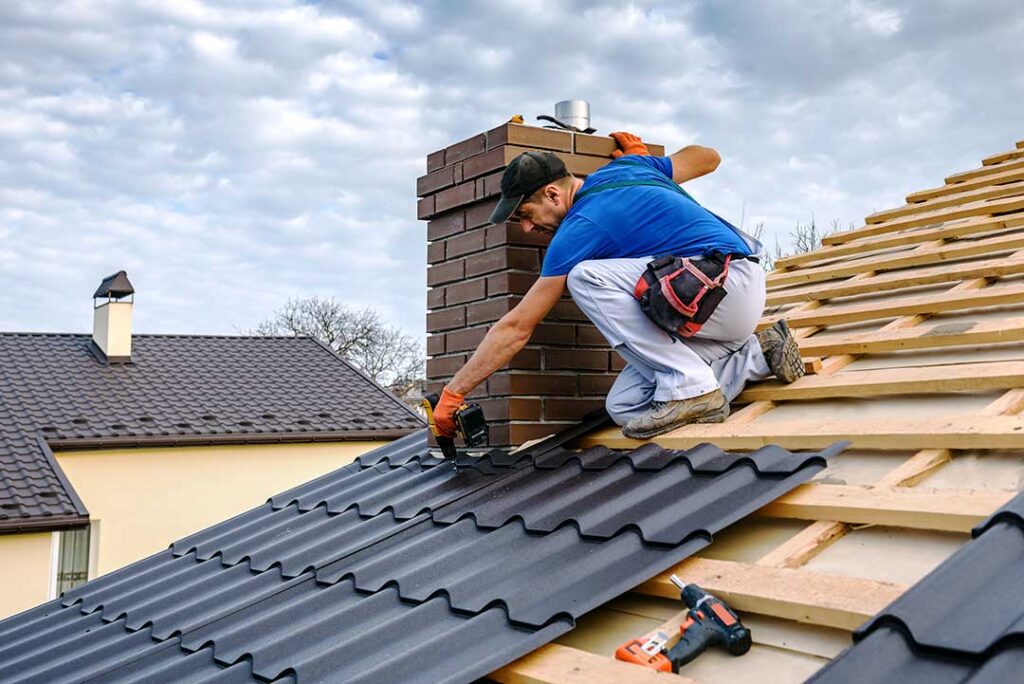
A typical residential roof lasts about 15 to 30 years, but the actual service life depends on the roofing material, installation quality, ventilation, maintenance, and exposure to weather. In Plattsburghh, NY, repeated freeze-thaw cycles, snow, ice, wind, and summer sunlight can affect how quickly a roof ages.
A roof’s expected lifespan is a useful planning estimate, not a guarantee. Some roofs need major repairs well before their expected replacement age, while well-maintained roofs may remain serviceable longer.
How long do common roofing materials last?
The roofing material has the greatest influence on expected lifespan. Common ranges include:
- Three-tab asphalt shingles: About 15 to 20 years
- Architectural asphalt shingles: About 20 to 30 years
- Wood shingles or shakes: About 20 to 30 years, sometimes longer with careful maintenance
- Metal roofing: About 40 to 70 years, depending on the material and finish
- Slate roofing: Often 50 to 100 years or more when properly installed
- Synthetic or composite roofing: Commonly 30 to 50 years, depending on the product and conditions
These ranges assume suitable installation and ordinary maintenance. A roof in a heavily shaded, damp location may age differently from one with good sunlight and airflow. Product warranties also do not always match real-world service life. A warranty may cover manufacturing defects for a certain period, while normal weathering and installation-related problems may be excluded.
Why does the local climate affect roof life?
Cold-climate roofing experiences stresses that are less severe in regions with milder weather. In Plattsburghh, long winters and changing temperatures can cause repeated expansion and contraction of roofing materials.
During a freeze-thaw cycle, water enters small cracks, gaps, or worn areas and expands when it freezes. Over time, this can loosen roofing components, widen existing damage, and contribute to leaks. Snow and ice can also add weight to the roof structure, while wind may lift or damage shingles that have become brittle.
Other local factors include:
- Snow that remains on shaded roof sections for extended periods
- Ice buildup near eaves when attic heat melts snow unevenly
- Strong wind during seasonal storms
- Moisture from rain, melting snow, and humid summer conditions
- Falling branches or debris near wooded properties
- Limited winter access for inspection and repairs
Climate alone does not determine whether a roof needs replacement. It does, however, make regular observation especially useful.
How can homeowners tell whether a roof is nearing the end of its life?
Age is only one warning sign. A roof may need closer evaluation when several visible symptoms appear at the same time.
Common indicators include:
- Shingles that are curling, cracking, blistering, or missing
- Granules collecting in gutters or downspouts
- Dark streaks, exposed underlayment, or bare patches
- Sagging areas along the roofline or deck
- Repeated leaks or water stains on ceilings and upper walls
- Damaged flashing around chimneys, skylights, vents, or roof edges
- Daylight visible through the roof boards in an attic
- Excessive moss or algae growth that keeps roofing materials damp
A few damaged shingles do not automatically mean the entire roof has failed. Localized damage may be repairable, especially when the underlying roof deck and flashing remain sound. Widespread granule loss, brittleness, sagging, or repeated leaks suggest that the roof is approaching the end of its practical service life.
Does a roof need replacement as soon as it reaches its expected age?
Not necessarily. A 20-year-old asphalt roof may still protect a home effectively, while a younger roof may have serious problems caused by storm damage, poor ventilation, or installation defects.
The more useful question is whether the roof remains watertight and structurally sound. An older roof should be watched more closely, particularly after winter or severe weather. If leaks are recurring or repairs are becoming frequent, replacement may be more practical than continuing short-term fixes.
Homeowners should also consider the roof’s remaining lifespan when planning other projects. For example, replacing attic insulation or making interior ceiling repairs may be less efficient if the roof is already allowing moisture into the structure.
How do snow and ice affect a roof?
Snow does not automatically damage a properly designed roof, but heavy or persistent accumulation can increase stress on the structure and roofing materials. The risk depends on the roof’s design, pitch, structural condition, snow density, and drainage.
Ice dams are a separate concern. They form when heat escaping from the attic melts snow on the warmer upper portions of a roof. Water then flows toward colder eaves, where it refreezes. The resulting ice can obstruct drainage and force water beneath shingles.
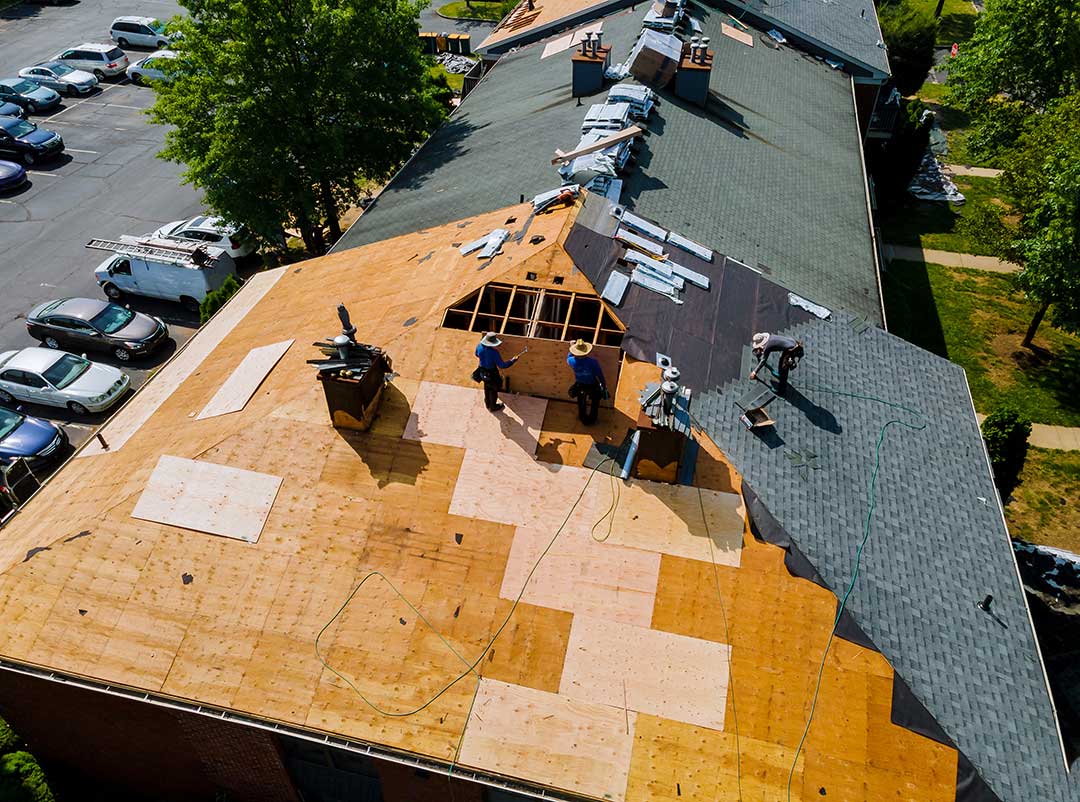
Good attic insulation and balanced ventilation help keep roof temperatures more consistent. They do not eliminate every ice-dam risk, but they can reduce uneven melting. Adequate air sealing between the living space and attic is also important because warm air leakage can contribute to roof-surface temperature differences.
Removing snow or ice from a roof can be hazardous. Walking on an icy roof can damage shingles and create a serious fall risk. Heavy accumulation, visible structural sagging, or water entering the home should be treated as a safety concern.
Can maintenance extend the life of a roof?
Routine maintenance can help a roof reach the longer end of its expected lifespan, although it cannot reverse widespread aging. Useful practices include:
- Inspecting visible roof areas after major storms
- Keeping gutters and downspouts clear so water can drain properly
- Trimming branches that rub against the roof or could fall during storms
- Checking attic areas for damp insulation, stains, mold-like growth, or daylight
- Watching flashing around roof penetrations and wall intersections
- Replacing isolated damaged components before water reaches the roof deck
- Keeping records of repairs, leaks, and the roof’s installation date
Cleaning requires care. Aggressive pressure washing can remove protective granules and shorten shingle life. Moss should not simply be scraped away forcefully, since that can damage the roofing surface. The safest method depends on the material and the extent of growth.
Is the roof or the roof structure the real problem?
Sometimes the visible roofing material is not the only concern. A roof can appear acceptable from the ground while the decking, rafters, or attic framing has moisture damage.
Warning signs of a deeper problem include:
- Soft or spongy areas underfoot in the attic
- Discolored or weakened roof decking
- Persistent musty odors
- Mold-like growth caused by ongoing moisture
- Sagging between structural supports
- Nails or fasteners pulling away from the decking
- Interior stains that return after repeated drying
A roof replacement may address the outer covering, but concealed structural damage and moisture sources also need attention. Otherwise, a new roof may be placed over problems that continue to affect the home.
When should a roof be evaluated?
An evaluation is especially reasonable when a roof is near or beyond its expected material lifespan, after a significant storm, following a leak, or before selling or purchasing a home. Safety concerns, active water entry, sagging, and exposed roofing layers deserve prompt attention.
For residents, the most useful approach is to combine the roof’s age with its condition. A relatively young roof with active leaks should not be considered healthy simply because it has years remaining on paper. Likewise, an older roof with intact materials, good drainage, and no signs of moisture intrusion may not require immediate replacement.
The practical lifespan of a roof is determined by how well it continues to shed water and protect the home—not by age alone.
