

What Are the Most Common Roofing Scams in Plattsburghh, NY?
Several types of scams frequently target area homeowners, especially following storms or heavy winds. The most common involve aggressive door-to-door tactics, requests for cash upfront, and misleading assessments of roof damage. Residents are sometimes approached by individuals claiming to have leftover materials or offering “one-time” discounts for immediate decisions.
Some red flags that have been reported include:
- High-pressure sales pitches
- Claims that a roof needs a complete replacement without proper inspection
- Demands for large deposits before any work starts
- Unmarked vehicles or reluctance to share identification
Local households should be particularly alert after intense weather, since scammers often follow storms when roofs might have visible damage.
How Can You Tell if a Roofer Is Legitimate?
A trustworthy roofer will communicate clearly, provide documentation, and never demand the full payment upfront. In the city, reputable contractors should be willing to offer written estimates, supply local references, and show proof of insurance and required certifications.
Key things to check before agreeing to work:
- Written, itemized estimate (no verbal promises only)
- Business address and working phone number matching official paperwork
- Valid insurance documentation—ask for a copy and confirm coverage dates
It can also help to check for a presence in local consumer protection records or through municipal building departments for complaints or unresolved issues.
Why Are Upfront Payments a Risk?
Paying the entire bill—or a large percentage—before work begins puts homeowners at risk. In most roofing scams, the scammer either disappears with the payment or delivers hasty, inadequate repairs.
Small deposits are common and sometimes necessary for materials, but:
- Large or full prepayments are rarely reasonable
- Never pay in cash—use check or card for a clear paper trail
- Always get a signed contract before handing over any money
Area residents have occasionally reported being told materials need to be “ordered” only after payment; this should be seen as a warning sign.
What Happens If Roof Damage Is Exaggerated?
Some scammers intentionally overstate the severity of roof problems, pressuring homeowners to pay for work they don’t actually need. A credible roofer in Plattsburghh will walk through issues step-by-step, share photos or video of any damage, and explain which repairs are truly necessary now versus what may be scheduled for future maintenance.
Residents should be skeptical if told that:
- Immediate, full replacement is always needed
- Internal home damage is guaranteed if work isn’t done right away
- Routine wear is described as a crisis
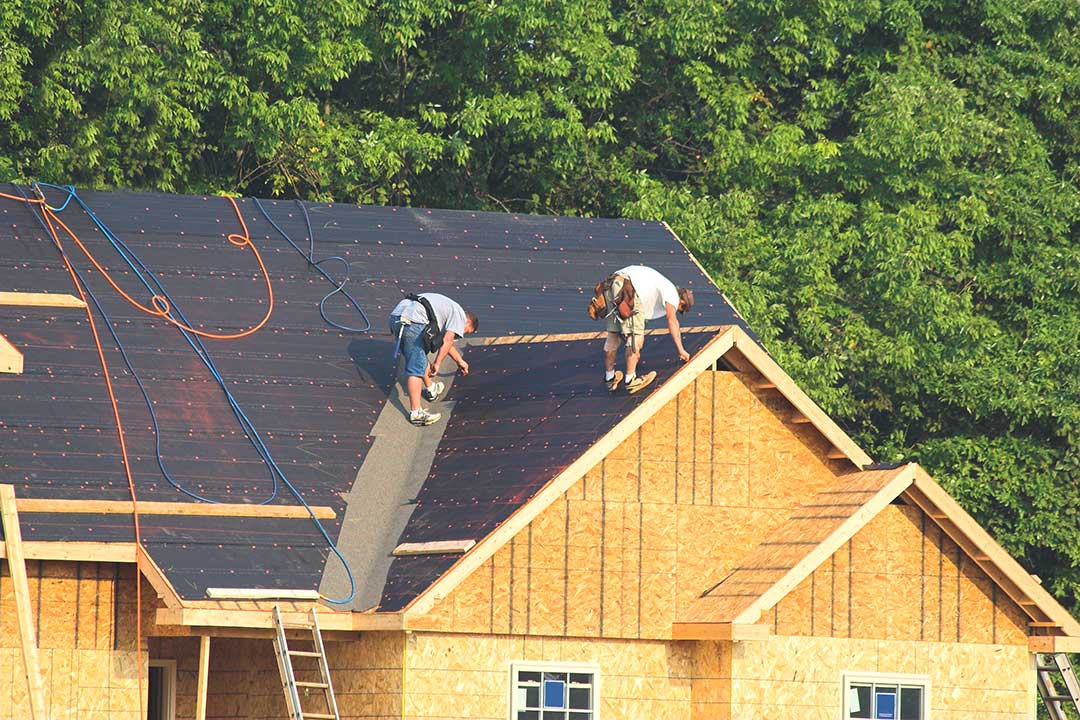
Getting a second, independent opinion can help clarify what’s actually required rather than acting on a lone, unsolicited assessment.
Are Storm Chasers a Problem in the Area?
After severe weather, so-called “storm chasers” may arrive from outside the community. They sometimes offer quick repairs or say they “just finished a job nearby” and have extra materials. These operators may not have the same accountability as local professionals and can vanish once paid, leaving behind incomplete or poor-quality work.
To avoid this:
- Don’t feel pressured to make an immediate decision after a storm
- Ask for proof of prior work in the local area
- Use caution with anyone unwilling to provide verifiable contact information
Reports have shown that authentic local roofers may be busy after major storms, but they won’t use pressure tactics.
What Should You Do If You Suspect a Scam?
If you suspect you are dealing with a roofing scam—or have been approached with an unsolicited offer—there are a few steps to consider. First, pause before agreeing to anything. Get as many details in writing as possible, and document interactions. If intimidation or threats are used, disengage and consider reporting the incident.
For the safety of the community:
- Consult a local building department about any suspicious incidents
- Keep records of business names, vehicle descriptions, or any provided paperwork
- Warn neighbors if similar individuals are working the area
While Plattsburghh has resources for consumer complaints, raising local awareness can help prevent future scams as well.
What Local Conditions Make Roofing Scams More Likely?
Plattsburghh’s freeze-thaw cycles, heavy snowfall, and humid summers can stress roofing materials and create visible damage. Scammers often use this to their advantage, pointing out weather-related concerns—sometimes correctly, but more often exaggerating.
After ice storms or hail, homes in older neighborhoods and near tree lines are especially targeted. Households unused to frequent repairs, such as recent homebuyers or seniors, are particularly vulnerable to urgent-sounding warnings about potential leaks or insulation problems.
Understanding that genuine damage seldom requires instant, costly repairs can help area residents better assess the situation and avoid falling for a scam.
