

How Fast Can Minor Roof Issues Turn Into Major Headaches?
Small roof problems often seem harmless at first. For many residents, a missing shingle, small leak, or cracked flashing feels easy to put off fixing—especially when winter and spring weather in Plattsburghh stays unpredictable. However, even the tiniest flaw in a roof tends to worsen if left unattended. Harsh freeze-thaw cycles, lake-effect storms, and wind gusts unique to the area can accelerate damage, leading to water penetration, wood rot, or mold in just one season.
Even a loose shingle or minor nailing issue might lead to leaking after the next heavy rain or snowmelt. In the climate here, minor roof vulnerabilities rarely remain minor for long.
What Can Water Leaks Really Do to a Home?
Water leaks are rarely just a surface issue. As soon as moisture gets under the outer roofing layer, it spreads:
- Insulation can become soggy, losing its effectiveness and staying damp.
- Wooden rafters and beams may weaken and develop rot, compromising structural integrity.
- Attic moisture creates a welcoming environment for mildew and mold, which can spread to living spaces and worsen air quality.
In homes with finished attics, leaks frequently go unnoticed until stains appear on ceilings or walls below. By then, repairing the damage often costs much more than prompt roof fixes would have. Given the age and variety of construction styles in Plattsburghh homes, hidden water damage can also affect wiring or insulation, increasing the risk of electrical problems and energy waste.
Is Delaying Roof Maintenance a False Economy?
Delaying needed roof repairs may seem like a way to save money, but it usually has the opposite effect. Small issues left unaddressed often multiply repair costs.
- Patching small leaks or replacing a few shingles is far cheaper than dealing with widespread water damage, decayed decking, or structural weakening.
- Water infiltration can degrade insulation and drywall, requiring more invasive repairs down the road.
- Extensive mold remediation, necessary if structural wood or attic spaces become infested, is particularly costly in older homes.
In short, deferring minor maintenance often trades a small, predictable expense for a much larger future bill—sometimes even requiring partial roof replacement.
What About Local Seasonal Hazards?
Plattsburghh’s climate puts roofs to the test. Heavy snow can conceal damage and create ice dams, while spring brings snowmelt that seeks out the smallest gap. High winds common near Lake Champlain can loosen shingles, ridge caps, or gutters without residents immediately noticing.
Residents sometimes assume roof concerns can be postponed until warmer months. Unfortunately, spring thaw exposes any preventive maintenance that was missed in fall, and by then, small troubles often become urgent. Insurance claims related to weather are more likely to be denied if damage is traced back to neglect rather than a defined storm event.
Could Neglected Roofs Affect Health or Safety?
Yes—especially in homes with children, seniors, or anyone with respiratory sensitivities. Persistent roof leaks can promote black mold and mildew, which don’t just stay hidden in the attic. Spores can spread through the home’s ventilation, leading to coughing, headaches, or worsened allergies. Over time, severe moisture damage may weaken parts of the ceiling or attic floor, leading to unexpected collapses or falls during maintenance.
Are There Hidden Costs Beyond Repairs?
Some consequences of ignoring roof problems aren’t obvious until later:
- Higher utility bills—wet insulation loses effectiveness, making heating more expensive through the North Country’s cold months.
- Lower property value—visible water stains, sagging ceilings, or mold odors can reduce resale price or complicate a home sale.
- Insurance complications—insurers sometimes deny claims for “sudden” roof leaks if there is evidence of long-term neglect.
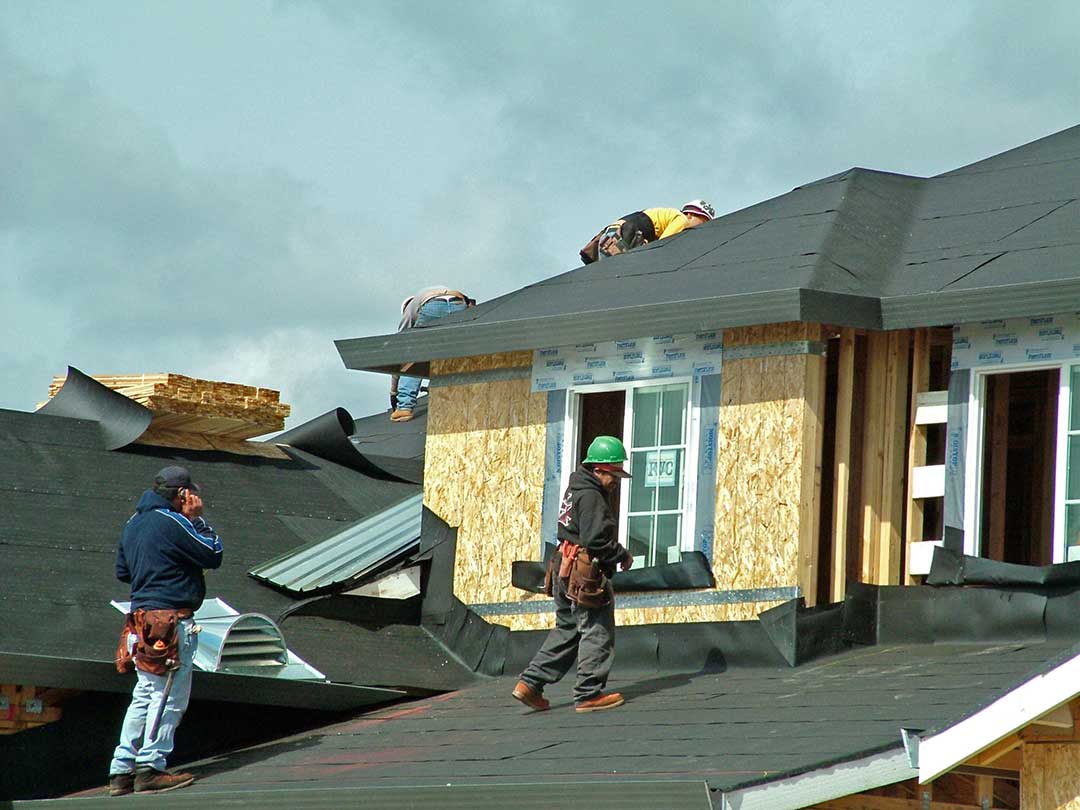
Additionally, roof problems can attract pests—birds, rodents, or insects often find entry through open flashing or missing shingles, leading to further home repairs.
What Are the Signs That Can’t Be Ignored?
Even residents who check attics only occasionally should investigate further if they notice:
- Dark patches, dampness, or visible mold in the attic or on upper-level ceilings.
- Curling, cracked, or missing shingles after a windstorm.
- Granules from asphalt shingles collecting in gutters or on the ground.
- Sagging areas or dips in the roofline, which might indicate internal rot or compromised decking.
- Persistent icicles or ice dams at the eaves in winter.
Addressing these symptoms right away can prevent a minor repair from turning into a much more disruptive project.
Why Do Plattsburghh Homes Face Unique Roofing Risks?
Local homes experience a mix of aging housing stock, weather extremes, and wind exposure due to geography near the lake. These factors mean roof maintenance isn’t just about aesthetics—unaddressed problems can impact safety, heating efficiency, and long-term livability. Older homes in the area are often built with materials or methods that require attentive upkeep, especially after particularly harsh winters or after years without regular inspection.
