

What Is Roof Underlayment and Why Does It Matter?
Roof underlayment is the protective material installed directly over the roof decking, beneath the outer roofing material like shingles or metal panels. In Plattsburghh, NY, where weather shifts from heavy snowfall to sleety rain and ice, underlayment plays a crucial role in shielding homes against leaks and structural damage.
Underlayment acts as a final line of defense if roofing shingles become damaged or water sneaks past them. It minimizes the risk of water intrusion that can lead to rot, mold, and costly repairs.
What Types of Roof Underlayment Are Commonly Used Locally?
There are three primary types of underlayment found on homes in the community:
- Asphalt-saturated felt: Sometimes still called “tar paper,” this was traditionally the standard. It provides a basic layer of temporary protection but is less durable than newer options.
- Synthetic underlayment: Made from engineered polymers, this material is lightweight, tear-resistant, and less likely to absorb water. It often holds up better under high winds, which can occur during Plattsburghh winter storms.
- Self-adhering membrane (ice and water shield): Especially important for the region, this rubberized sheet provides superior waterproofing. It seals around roof fasteners, adding protection at vulnerable eaves, valleys, and penetrations where ice dams and snowmelt can cause leaks.
Most area homes today use a combination, with ice and water shield at eaves and valleys and synthetic or felt underlayment elsewhere.
How Does Underlayment Protect Against Local Climate Challenges?
Plattsburghh’s freeze-thaw cycles, lake-effect snow, and spring rains all put roofs to the test. Underlayment helps by:
- Providing a waterproof barrier when snow melts or rain gets under the shingles.
- Helping to prevent water from entering attics or walls and causing interior damage.
- Acting as a temporary protector of the roof deck during shingle replacement or repairs, in case of sudden weather changes.
Homeowners frequently encounter issues caused by ice dams—blocks of ice that trap meltwater on the roof. Self-adhering membranes at the roof edges mitigate the risk of leaks associated with these ice dams, which are a particular concern during extended cold spells followed by warm-ups.
Do Local Building Codes Require Roof Underlayment?
Yes, local building codes require some form of roof underlayment under most roofing materials. For homes in Plattsburghh, code usually specifies:
- A water-resistant underlayment across the entire roof deck.
- Ice and water shield extending a set distance from the eaves, typically at least 24 inches inside the warm wall line.
Building code aims to address risks unique to the climate, especially prolonged snow cover and ice buildup. Inspectors check underlayment installation during new construction and major roof replacements.
What Happens If Underlayment Is Installed Incorrectly or Missing?
Improper underlayment can be a hidden issue with major consequences. Local residents sometimes discover problems only after leaks appear, especially after winter weather events. Risks include:
- Interior water damage and staining on ceilings or walls.
- Rotting of the underlying roof deck and structural components.
- Mold development in attics or hidden cavities.
- Reduced lifespan and performance of the exterior roofing.
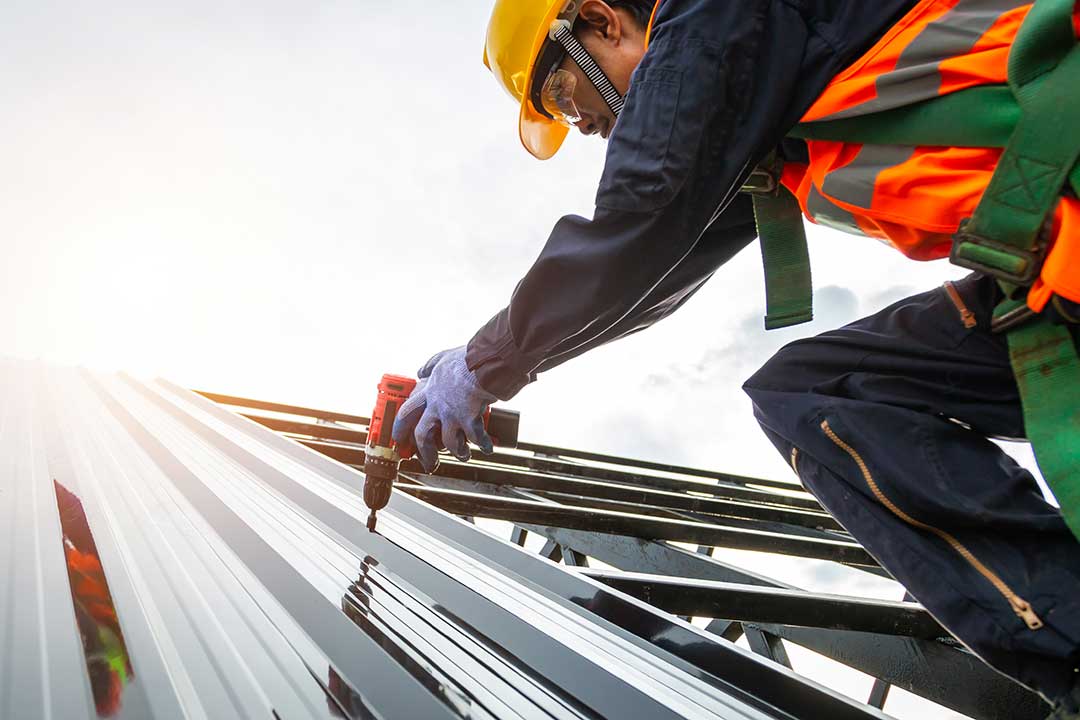
Common mistakes are failing to overlap seams sufficiently, skipping underlayment at roof edges and valleys, or using materials not rated for local weather conditions.
How Do Residents Know Which Type is Installed on Their Home?
Without removing some shingles or examining during a roof project, it can be tough to see underlayment. However, homeowners may find clues in old construction records, permits, or contractor notes. During roof repairs or replacement, asking about the type being used—and making sure it meets code for this region—ensures proper protection.
If buying a home in Plattsburghh, a home inspection might indicate the presence and condition of underlayment indirectly, based on attic inspections for signs of prior water damage or deck rot.
Are There Maintenance Needs or Warning Signs Homeowners Should Watch For?
Underlayment itself is not visible once a roof is complete, so maintenance focuses on ensuring the roof surface remains intact. However, warning signs may suggest underlayment has failed or is missing in key areas:
- New water stains on upper walls or ceilings, especially near exterior walls.
- Ice dams forming repeatedly along eaves in winter.
- Peeling or bubbling paint along ceilings, sometimes caused by minor leaks.
- Shingles blowing off or curling, exposing the underlayment beneath.
Clearing gutters, maintaining healthy attic ventilation, and watching attic spaces for signs of leaks are ways to reduce risks from underlayment failure, particularly in older roofs nearing the end of their life.
What Are Common Misconceptions About Roof Underlayment?
Residents sometimes believe that modern shingles alone are enough to keep water out, or that underlayment is optional. Actually, roofing surfaces are the initial defense, but underlayment is designed to stop water intrusion from wind-driven rain, ice back-up, or small surface defects.
Another misconception is that any underlayment will suffice. Materials not intended for the region’s weather may degrade, become brittle, or lose their effectiveness decades before the shingles need replacing, resulting in hidden damage.
For Plattsburghh households, choosing underlayment suited for snow, wind, and ice buildup is essential for long-term durability and comfort.
