
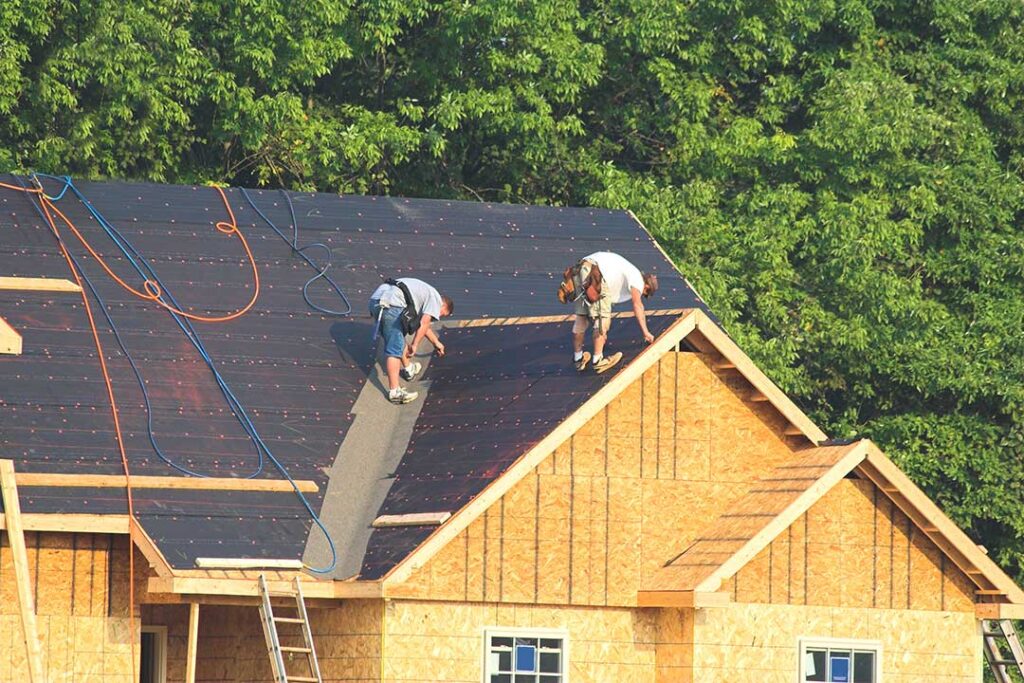
Roofing technology is changing in several practical ways: materials are becoming more reflective, impact-resistant, energy-producing, and easier to monitor. For residents of Plattsburghh, NY, the most useful innovations are those that address snow, freeze-thaw cycles, wind, summer heat, moisture, and the long service life expected from a roof.
New technology does not automatically mean a better roof for every home. The roof’s slope, attic ventilation, insulation, exposure to weather, and structural condition still matter more than any single product feature.
What roofing innovations are most useful in a cold, snowy climate?
For local homes, the most valuable advances generally involve weather resistance, moisture control, and installation quality rather than futuristic materials.
A roof in a northern climate may face repeated cycles of:
- Snow accumulation and drifting
- Ice formation and melting
- Wind-driven rain
- Freeze-thaw movement
- Heavy summer rainfall
- Short periods of intense sunlight
- Condensation caused by indoor humidity
Modern roofing systems respond by combining several layers instead of relying only on the visible shingles or panels. Those layers may include a stronger roof deck, synthetic underlayment, leak-resistant membrane at vulnerable areas, improved flashing, and carefully designed attic ventilation.
The purpose is not simply to keep water off the roof surface. It is to control how water, air, heat, and vapor move through the entire roof assembly.
Are newer shingles more resistant to hail and severe weather?
Many newer asphalt shingles are engineered to resist impact better than standard products. A Class 4 impact rating, tested under recognized standards such as UL 2218 or ANSI/FM 4473, indicates that the roofing material has passed a specific impact test. It does not mean the roof is impossible to damage. ([fema.gov](https://www.fema.gov/sites/default/files/documents/fema_improving-windstorm-resilience-fact-sheet_022023.pdf?lv=true&utm_source=openai))
Impact-resistant shingles may be worth considering where roofs are exposed to falling branches, hail, or repeated storm activity. However, the rating applies to the tested roofing product, not necessarily to every part of the roof. Flashing, vents, skylights, gutters, and weak roof edges can still be vulnerable.
Wind performance also depends on installation details. Properly fastened shingles, sealed roof-deck seams, reinforced edges, and correctly installed flashing can matter as much as the shingle’s label. A high-performance material installed poorly may provide less protection than a conventional material installed correctly.
What are synthetic underlayments and advanced leak barriers?
Synthetic underlayments are manufactured sheets placed beneath the outer roof covering. Compared with older felt-based materials, many synthetic products are lighter, more resistant to tearing, and better able to remain exposed briefly during construction.
More specialized membranes are used in areas where water is likely to collect or back up. These may be installed along eaves, valleys, wall intersections, chimneys, and around roof penetrations. In a snowy region, such barriers can be especially useful where ice or wind-driven precipitation creates temporary water pressure beneath the outer covering.
These materials are not substitutes for proper drainage. A membrane cannot correct a sagging roof deck, blocked drainage path, inadequate flashing, or poor attic ventilation. It is one part of a layered water-management system.
Can a “cool roof” help in Plattsburghh, NY?
Cool-roof technology uses surfaces that reflect more sunlight and release heat more effectively. This can reduce roof temperatures and cooling demand during sunny weather. The Department of Energy notes that cool roofs can be substantially cooler than traditional dark roofs under the same summer conditions. ([energy.gov](https://www.energy.gov/cmei/femp/purchasing-energy-efficient-cool-roof-products?utm_source=openai))
The benefit is more climate-dependent in northern areas. A highly reflective roof may reduce summer heat gain, but it can also reduce useful solar warmth during the heating season. Energy savings depend on insulation levels, roof design, heating and cooling equipment, roof color, and household habits. Cool roofing does not replace adequate insulation or air sealing. ([energy.gov](https://www.energy.gov/sites/prod/files/2013/10/f3/coolroofguide.pdf?utm_source=openai))
For many homes, a balanced approach is more practical than choosing the most reflective surface available. Good attic insulation, controlled air leakage, and adequate ventilation often provide more consistent year-round benefits than roof color alone.
How does solar roofing differ from ordinary solar panels?
Building-integrated photovoltaics, or BIPV, incorporate solar technology into building components such as roofing materials, skylights, and awnings. Solar shingles are one example: they perform a weather-covering function while also generating electricity. ([energy.gov](https://www.energy.gov/cmei/systems/summary-challenges-and-opportunities-building-integrated-photovoltaics-rfi?utm_source=openai))
Solar roofing can be attractive when a roof is already being replaced, because the electrical system and roof covering can be planned together. It is less straightforward on an older roof that may need replacement before the solar equipment reaches the end of its useful life.
Suitability depends on roof orientation, shading, pitch, snow management, electrical configuration, and the available roof area. Trees, chimneys, dormers, and neighboring structures can reduce production. Snow may temporarily cover a roof-mounted solar system, although its effect varies with roof angle, weather, and how quickly the snow slides or melts.
A solar roof should still be evaluated as a roofing system first. Water-shedding details, penetrations, flashing, repairability, and access for future maintenance remain essential.
Are roofing sensors becoming practical for homes?
Moisture sensors, temperature sensors, and connected monitoring systems are more common in large or complex buildings than in ordinary houses. They can help identify unusual moisture, temperature changes, or drainage problems before visible damage appears.
For a typical residence, sensors are most useful in locations that are difficult to inspect, such as low-slope roof sections, enclosed roof cavities, areas around mechanical equipment, or buildings with a history of leaks. They are less useful when treated as a replacement for visual inspections.
A sensor can indicate that conditions changed, but it may not identify the precise source of the problem. A plumbing leak, ice dam, condensation issue, and roof puncture can produce similar readings. Technology helps narrow the investigation; it does not eliminate the need to understand the building envelope.
What role do digital tools play in roof maintenance?
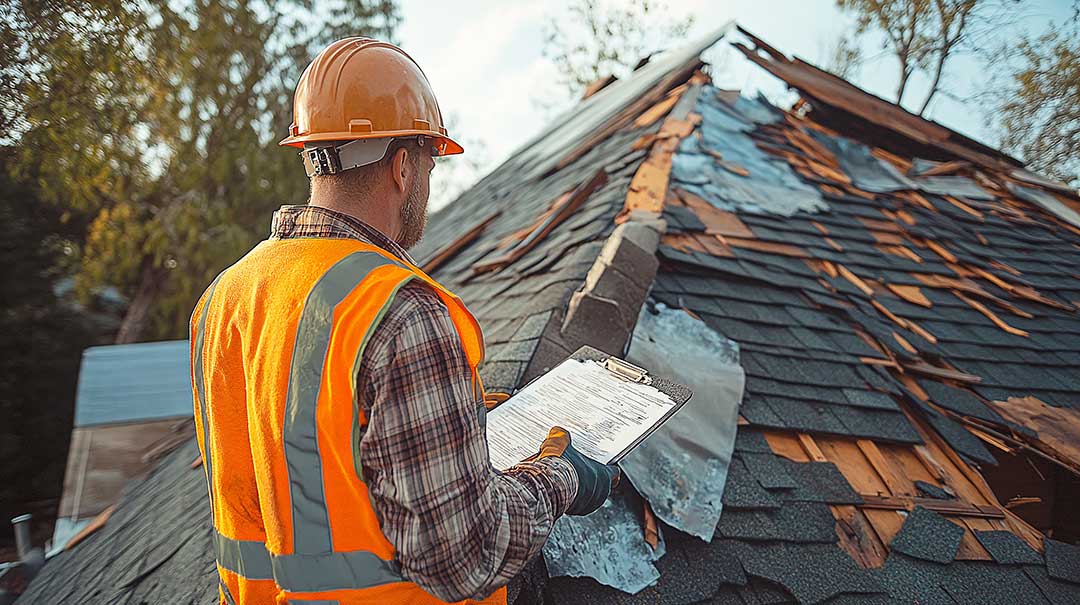
Roofing technology also includes tools used to evaluate and maintain roofs. Aerial photography, infrared surveys, moisture meters, digital measurement systems, and inspection records can help document roof condition.
These tools are valuable because roof problems are often easier to manage when small. A record of prior repairs, recurring leak locations, attic humidity, and storm damage can reveal patterns over time.
Digital measurements should still be verified in person. Aerial images may miss deteriorated flashing, concealed moisture, loose fasteners, or damage beneath snow and debris. Technology improves information, but it does not make an inspection automatically accurate.
Which innovations deserve the most attention during a roof replacement?
For most area households, the highest-value questions are practical:
- Is the roof deck sound and adequately fastened?
- Are valleys, eaves, penetrations, and wall intersections properly protected?
- Does the attic have sufficient insulation and balanced ventilation?
- Is the selected material appropriate for snow, wind, and freeze-thaw exposure?
- Can individual components be repaired without replacing unnecessary sections?
- Are impact, fire, wind, and installation ratings clearly documented?
- Will the roof remain maintainable as materials age?
A newer product should have a clear purpose. Better moisture control, stronger fastening, improved ventilation, and materials suited to the local climate usually provide more dependable benefits than novelty alone.
The most effective roofing innovation is often a coordinated system: durable outer materials, reliable water-shedding layers, sound attic design, accurate installation, and regular observation after major storms.
